About

PEOPLE

Advisory Board

PROGRAMS

RESEARCH

News

Events

Research Opportunities

About

The Electrical Engineering (EE) Department aims to serve the society by educating and inspiring future professionals in the various fields of electrical engineering by creating, applying, and disseminating vital knowledge and technology, and by leading the professional activities of academia, industry and government.

The Electrical Engineering department offers BSc degree in Electrical Engineering, MSc, and PhD programs.

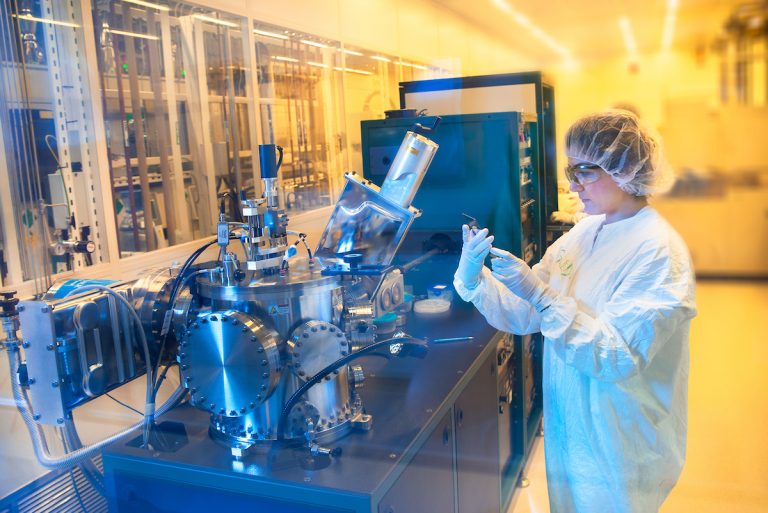
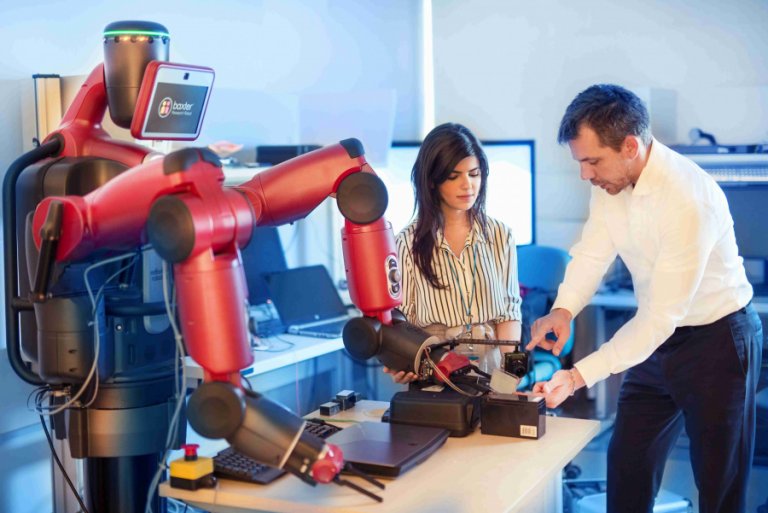
The research conducted in the Electrical Engineering department is aligned with the 2030 Abu Dhabi strategic plan, which calls for diversification of the economy beyond oil and gas, by promoting innovation, entrepreneurship and spinoffs in the fields of semiconductor, energy, and ICT sectors, among others. EE faculty collaborate with the many research centers at the University on research related to robotics, semiconductors, etc. They also collaborate frequently with prestigious research laboratories around the world.

Obtaining a degree in electrical engineering opens the door to a wide range of job opportunities in various industries, including telecommunications, energy, and technology. This degree equips graduates with valuable skills in problem-solving and innovation, making them highly sought after by employers. Furthermore, the field often offers competitive salaries and potential for career advancement, thanks to the ongoing demand for skilled engineers in an increasingly technology-driven world.

Career options
EE graduates are well prepared to fill a variety of business, industry, services, academia, and government positions.

The career options relevant to EE graduates include but are not limited to:

  • Electric power generation and distribution companies.
  • Oil and Gas companies.
  • Consumer electronics companies.
  • Electrical equipment manufacturing companies.
  • Test and measurement companies.
  • Automotive and aerospace companies.
  • Hospitals and medical devices companies.
  • Airlines, airports, and transportation companies.
  • Ports and marine engineering companies.
  • Standardization and regulatory authorities.
  • Army, Police, and Civil Security Organizations.


While working in various EE career tracks, EE graduates will be involved in the design, development, evaluation, and integration of:

  • Consumer electronics.
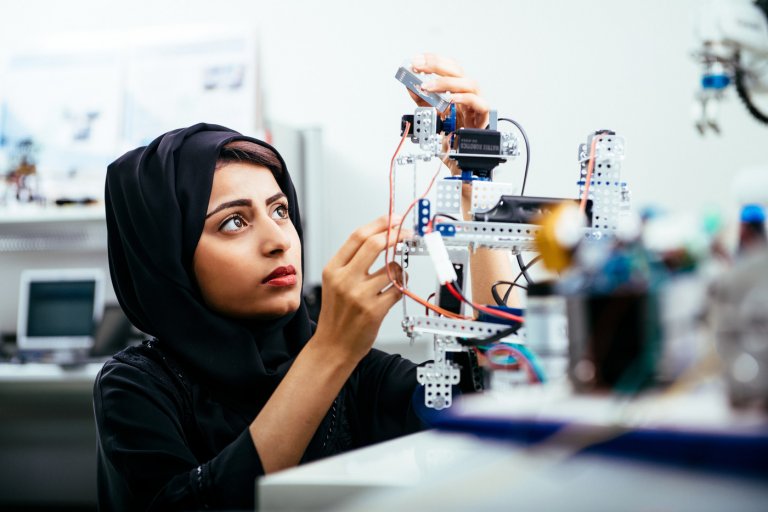
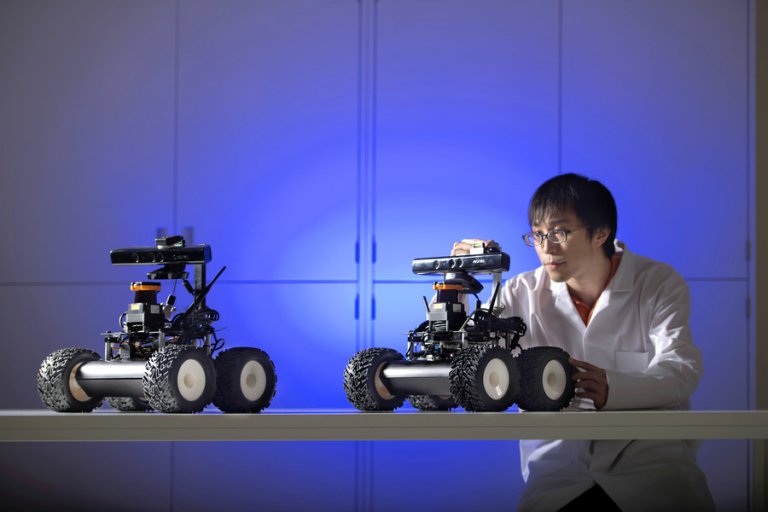
  • Robotic platforms and drones.
  • Digital and computer technology.
  • Medical equipment and devices.
  • Transportation systems and automotive electronics.
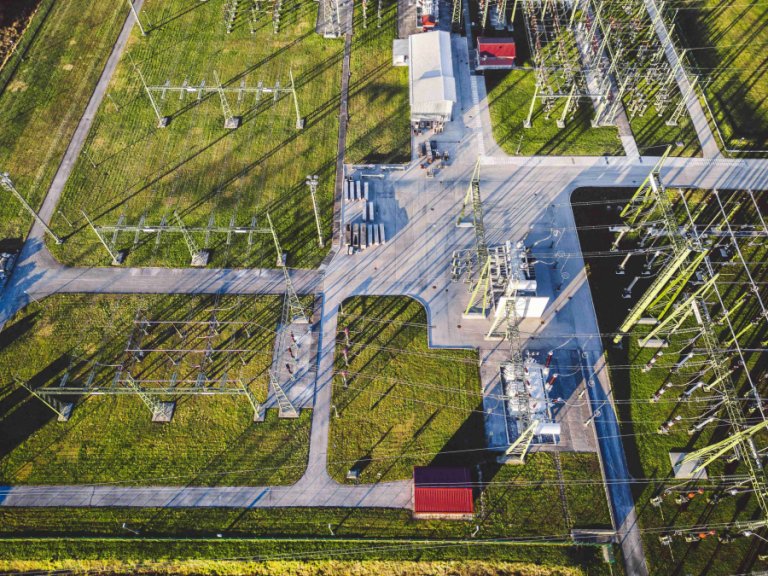
  • Power generation and distribution networks.
  • Test and measurement instruments.
  • Sensors and transducers.
Impact of EE

The demand for EE graduates has been consistently growing in the technological world we currently live in. They conceive, design, and build high-profile products and services that help improve and save lives through monitoring devices, surgical robots, artificial limbs, and lasers; help preserve the environment through hybrid electric vehicles, smart grid power distribution systems, and solar or wind power; improve the safety of critical high technology systems through anti-skid braking systems and nuclear power plant controls; reduce human toil in manufacturing through computer automation technologies.

EE is a dynamic field where new technologies are developed and integrated in our lives almost on a daily basis. 

EE programs are ideal for people who are passionate for solving challenging problems with the aim of serving humanity. By undertaking an EE program, you could find yourself equipped to contribute immediately to one of the following technologies:

Emerging Areas of EE:

The Institute of Electrical and Electronics Engineers (IEEE) provides a list of emerging areas in electrical engineering and computer science.

EE Impact on Humans and Society:

Electrical Engineering has a significant impact on humans and society, through-:

  • Analog and Radio Frequency Electronic Circuits: Without these, there’d be no cell phones, no WiFi, and no television.
  • Computer and Digital Systems:  The humankind is advancing faster technologically than ever before with the help of computers. These digital systems are everywhere, from your dishwasher and wristwatch to the Mars rovers, and everything in between.
      • Control Systems, Robotics, and Intelligent Transportation: Automation to reduce human efforts in the workplace; enhance safety in manufacturing systems, automobiles (via self-driving vehicles), and aircraft (via auto-pilots).
      • Electromagnetics, Remote Sensing, and Microwaves: Communication via radio waves is essential for mobile devices, radios, and the internet. Radio- and microwaves can also be used for sensing. The ability of microwaves to see through clouds and rain makes them very useful for measuring Earth’s climate.
      • Communication and Signal Processing: is concerned with the transmission, storage, and analysis of information signals
      • Optics and Photonics: Using light to solve engineering problems runs the range from fiber optics to lasers for eye surgery. Photonics also includes the field of display technology from LEDs to liquid crystals to holograms.
      • Nanotechnology and Electronic Materials: Used to develop faster transistors to run your computers, chips that run all electronic devices, and more efficient solar technology.
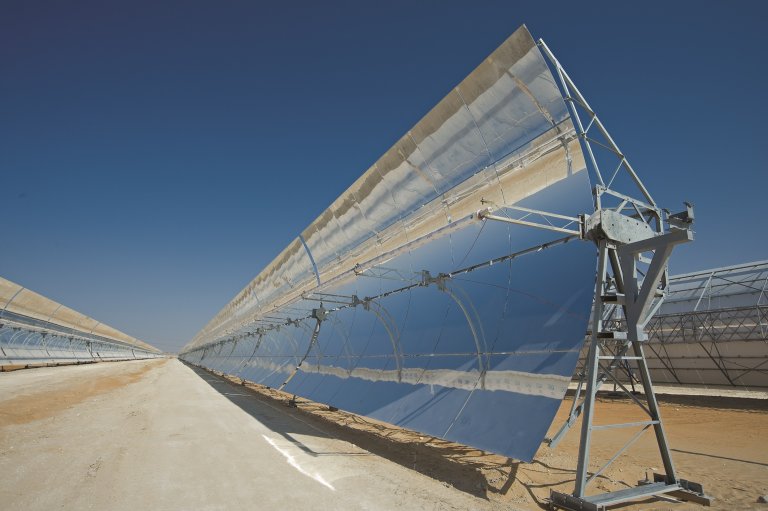
      • Sustainable Energy and Power Systems: Humankind is hugely dependent on energy, but burning materials to make electricity is damaging our environment. Electrical engineers are working to create better solar cells and windmills, to harvest energy from tides and many other non-polluting sources.
      Student Activities

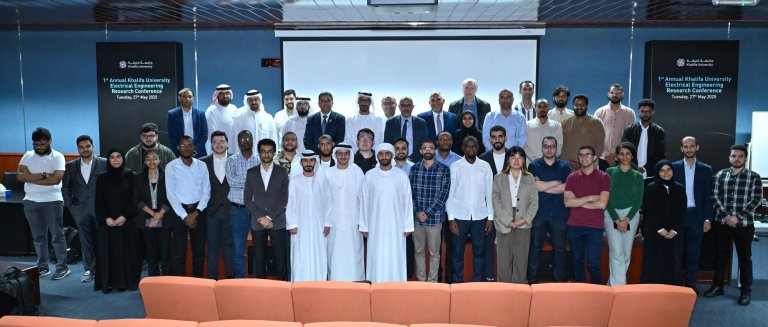
      Students in the EE department are encouraged to participate in curricular, co-curricular and social activities. The department has a well-established program student centric events, which are held regularly.

      Student Chapters

      Institute of Electrical and Electronics Engineers (IEEE)

      IEEE is the world’s largest professional association dedicated to the advancing technological innovations for the benefit of humanity. For EE students, IEEE creates the appropriate environment for integration, communication, and collaboration on world changing technologies. For more information about the IEEE please visit www.ieee.org. Khalifa University has an active IEEE student chapter on campus.

      IEEE-Eta Kappa Nu (Lambda Phi Chapter)

      IEEE-Eta Kappa Nu (IEEE-HKN), the international electrical and computer engineering honor society of IEEE, is dedicated to encouraging and recognizing individual excellence in education and meritorious work, in professional practice, and in any of the areas within the IEEE-designated fields of interest. The organization currently has around 200 student chapters and several thousand members around the world. The Khalifa University Lamda Phi chapter, 235th is the first chapter in the UAE and the second one in the gulf region.  For more information about this chapter, please visit https://hkn.ieee.org/hkn-chapters/all-chapters/lambda-phi-chapter/.

      Student Competitions
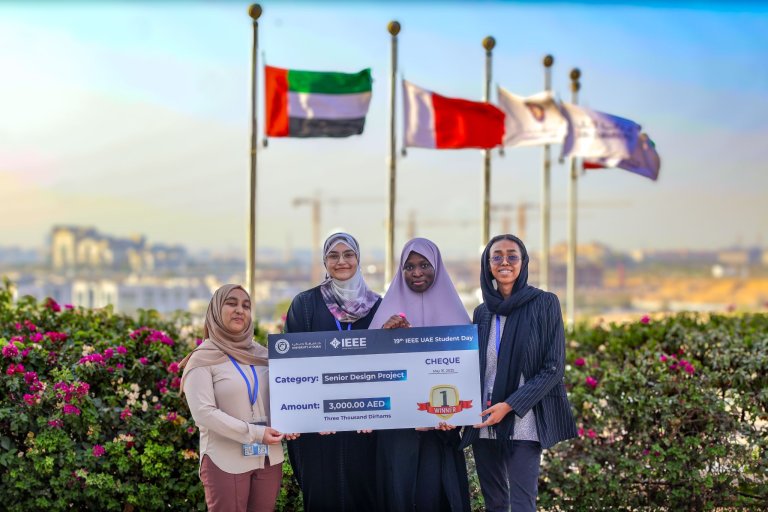
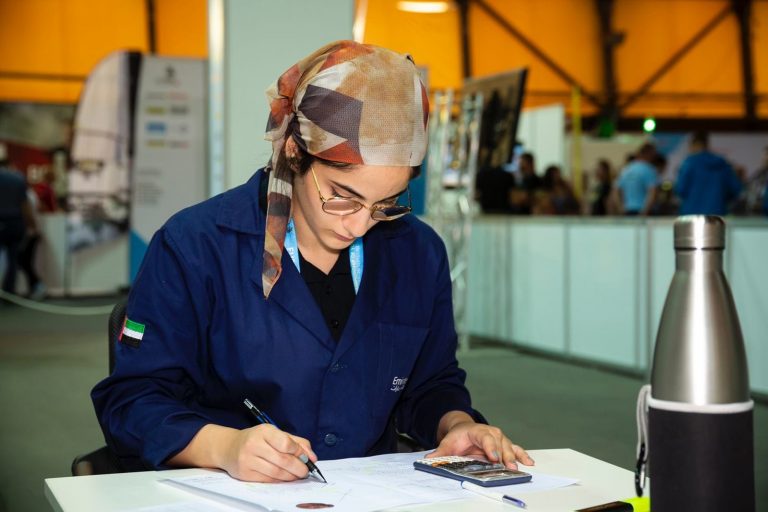
      Student competitions present an excellent opportunity for EE students to get engaged in real life projects where they learn how to design, implement and present complete systems that have significant relevance to the broader EE community. Some of the competitions our students participate in include:

      Honor Societies, Professional Organizations, certification

      Department Facilities

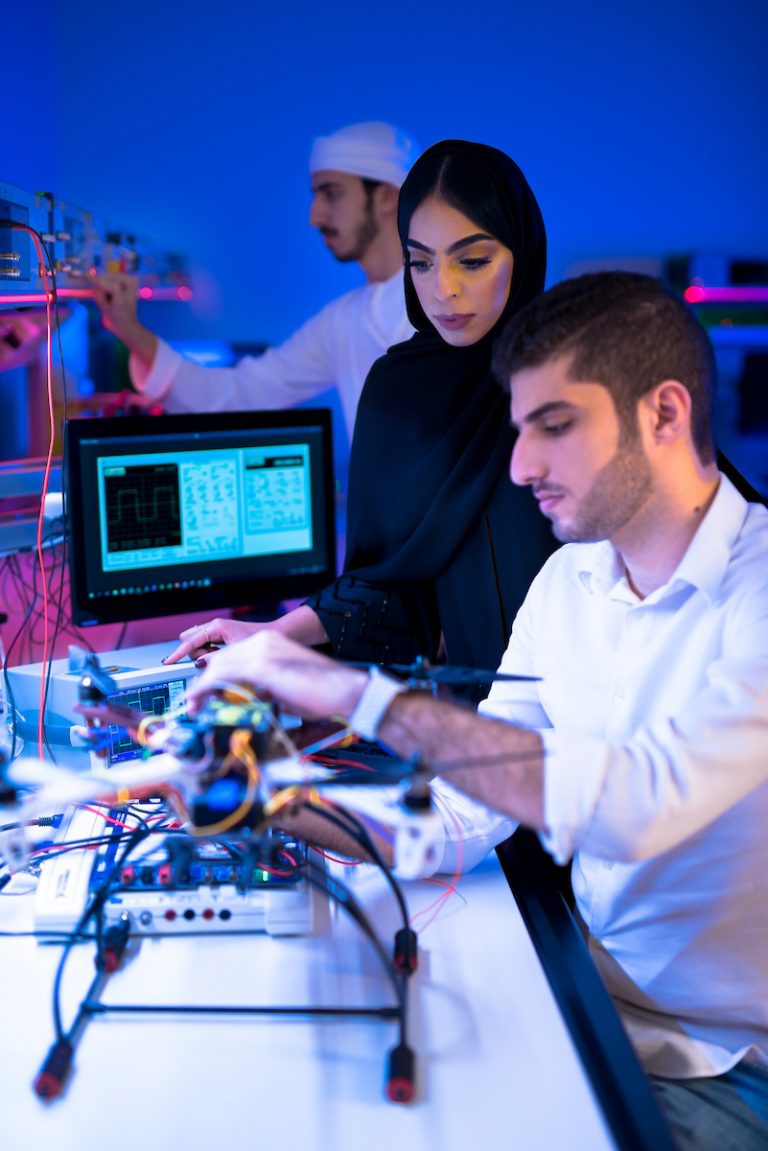
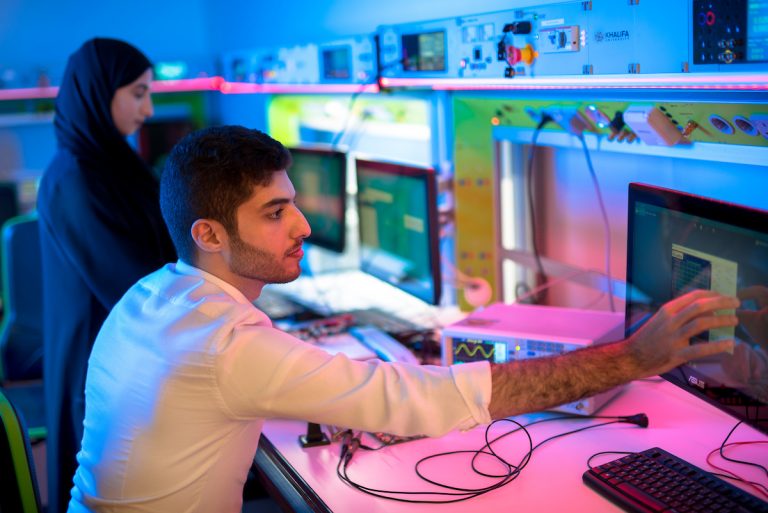
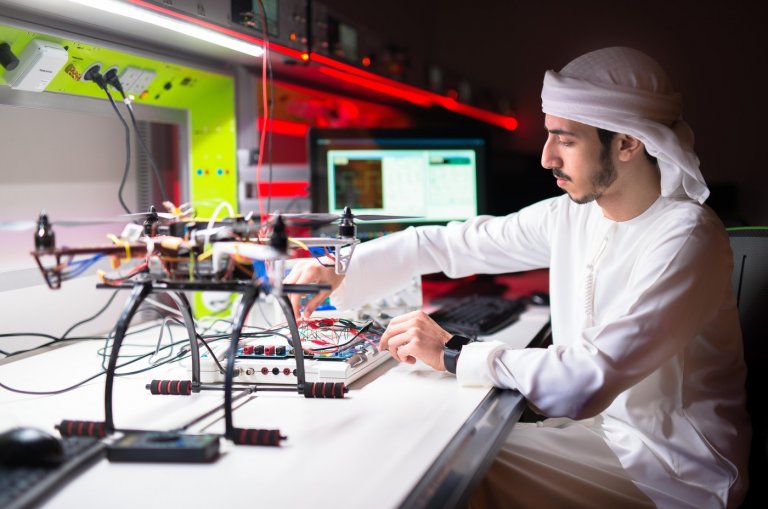
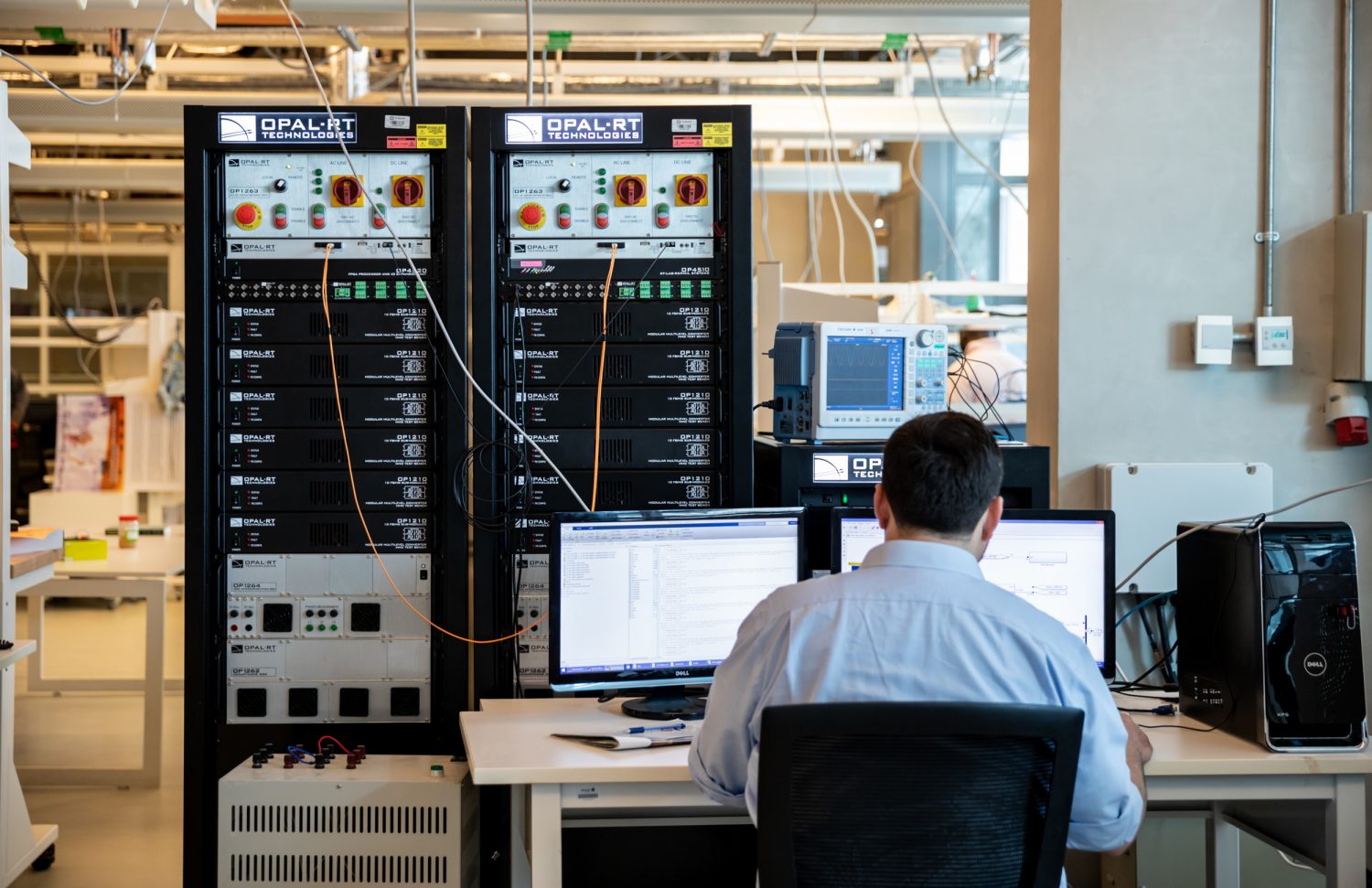
      The students in the EE department can utilize several specialized laboratory facilities to further their learning process. These include:

      • Digital Logic Design
      • Electric Circuits
      • Electrical Machines
      • Electronic Devices
      • Embedded Systems
      • Feedback and Control Systems
      • Instrumentation and Industrial Automation
      • PCB/Electronic Workshop
      • Power Electronics
      • Power Systems
      • Radio Frequency Measurements Lab
      • Senior Design Project
      Women in EE

      Many of the top international scientists within the EE field are women. Pioneering female electrical engineers include:

      Further reading can be found on the IEEE Women in Engineering website and in the IEEE UAE Section.

      Admission Requirements

      Detailed admission guidelines can be found in the Undergraduate Admissions and Graduate Admissions sections.

      Contact Us

      Khalifa University

      Main Campus, Building C

      PO Box 127788

      Abu Dhabi, UAE

      EE Administrative Officer: Noha Hashim Al Katheeri: noha.alkatheeri@kfauae.com

      PEOPLE

      Faculty

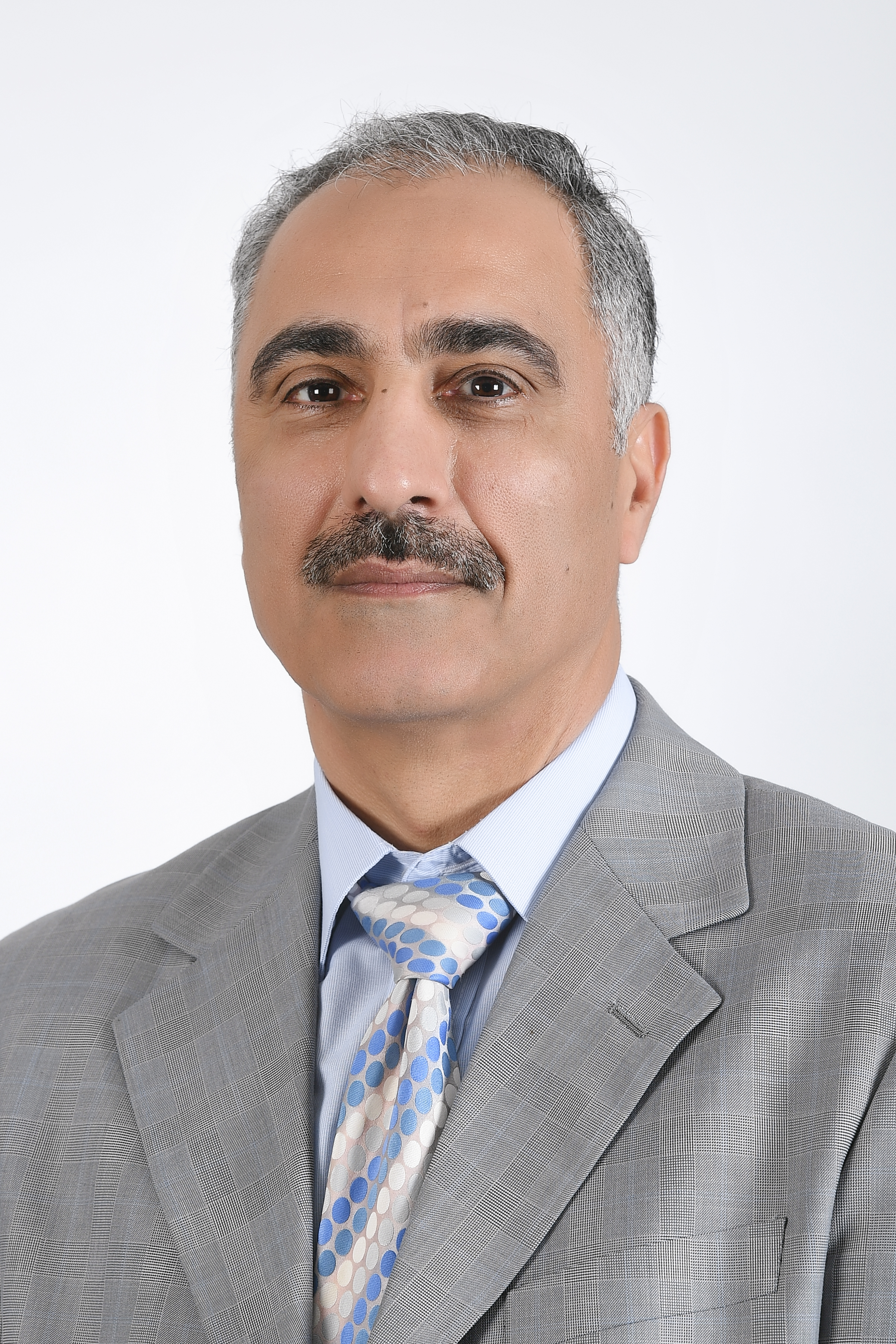
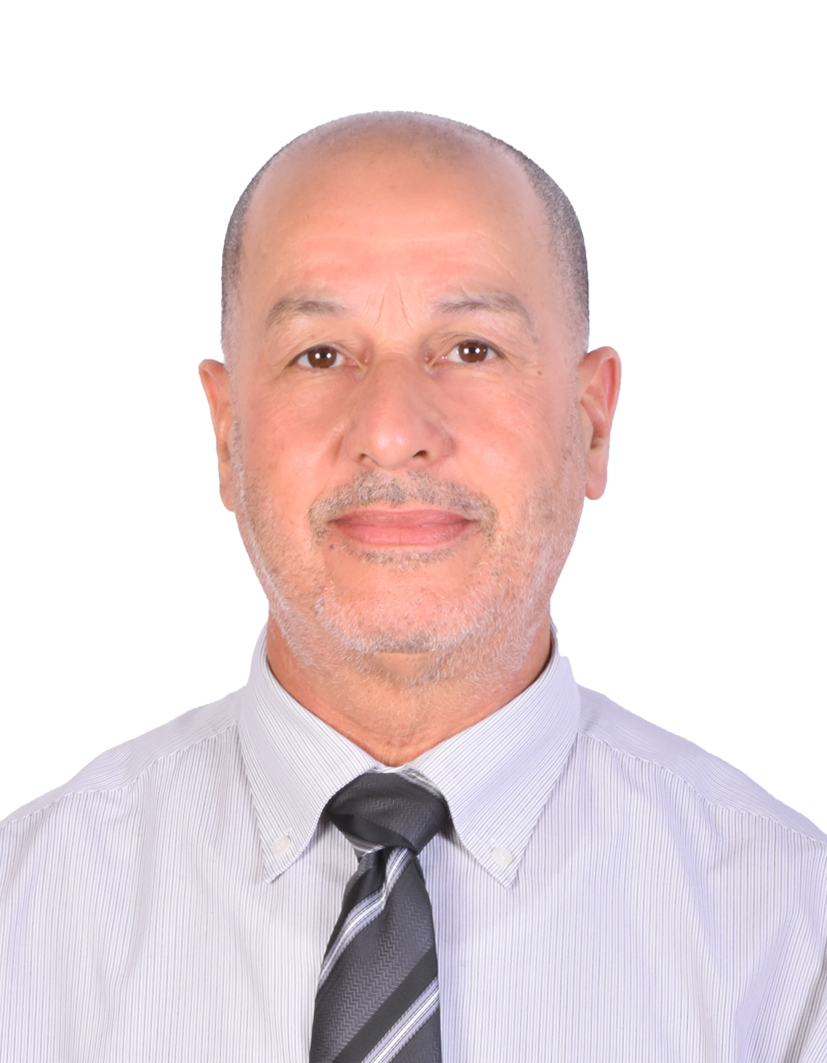
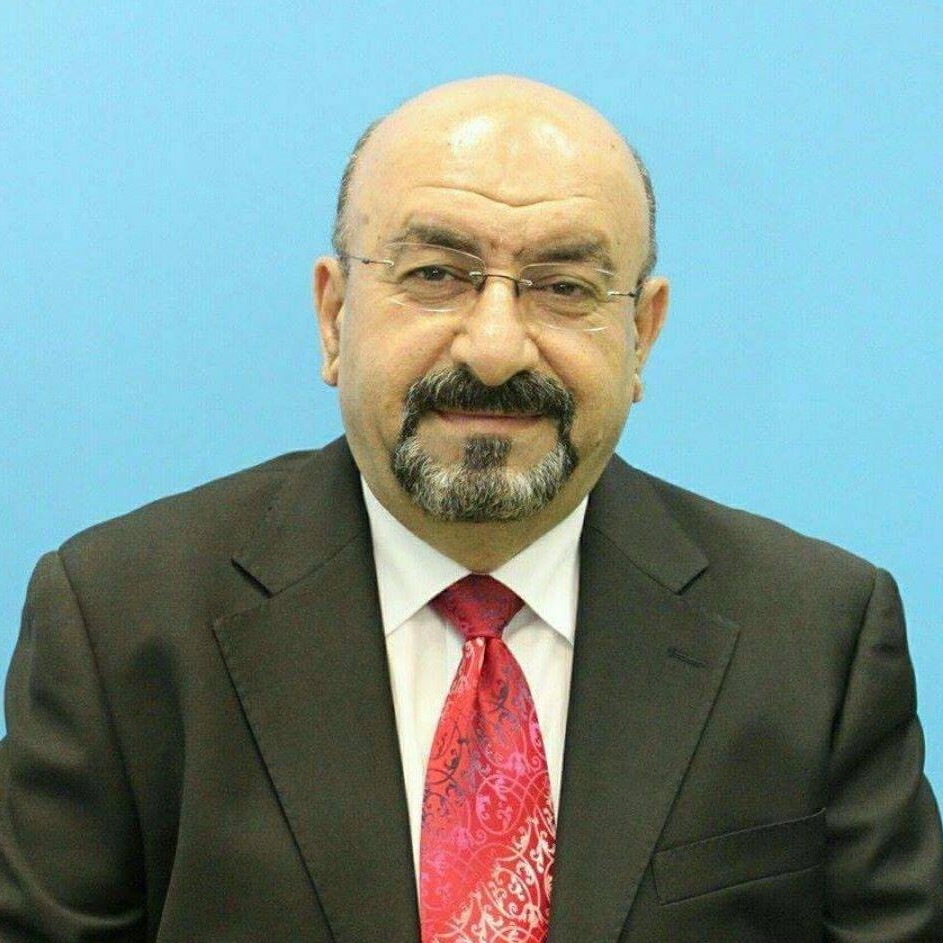
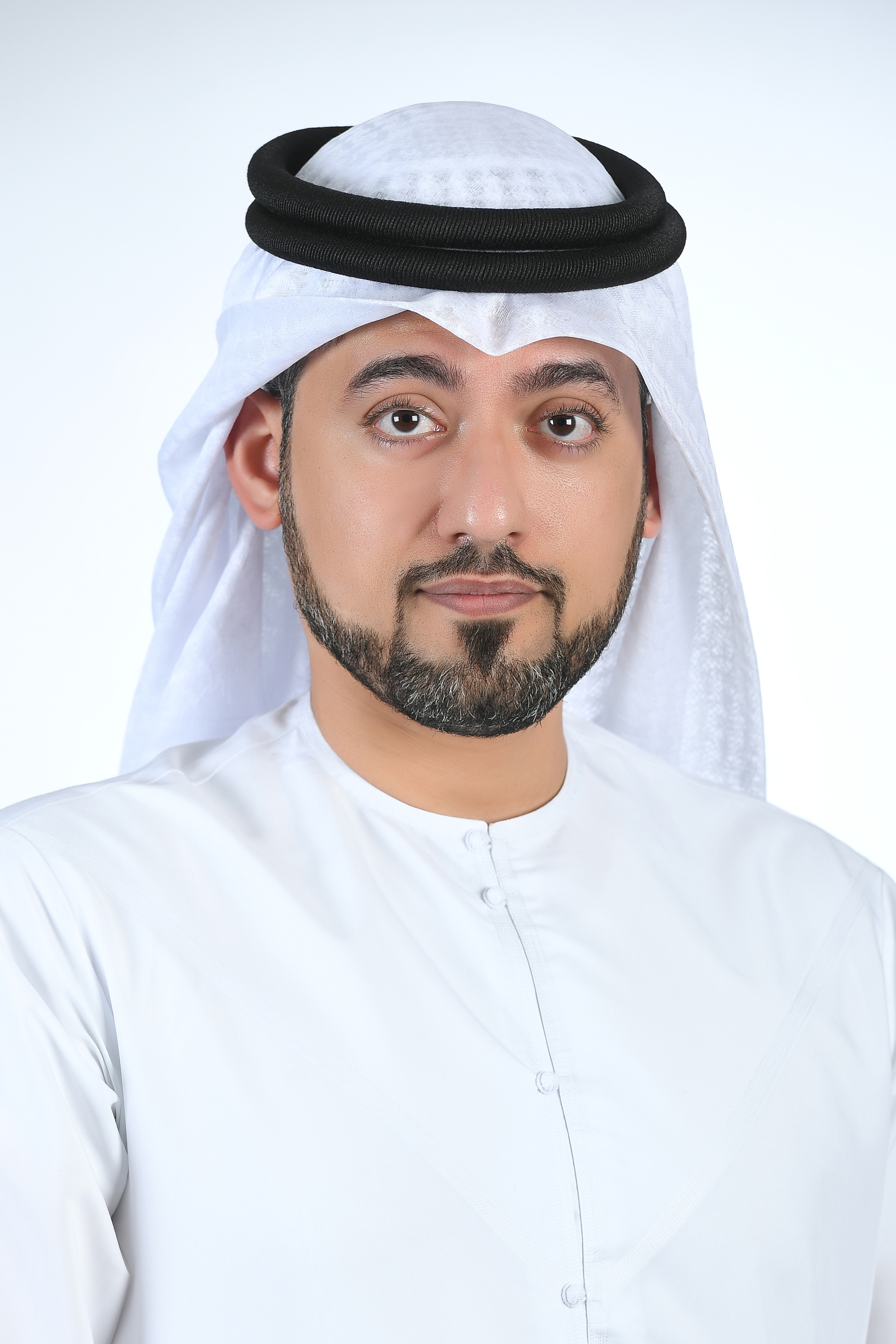
      Prof. ahmed al durra Professor | Associate Provost For Research
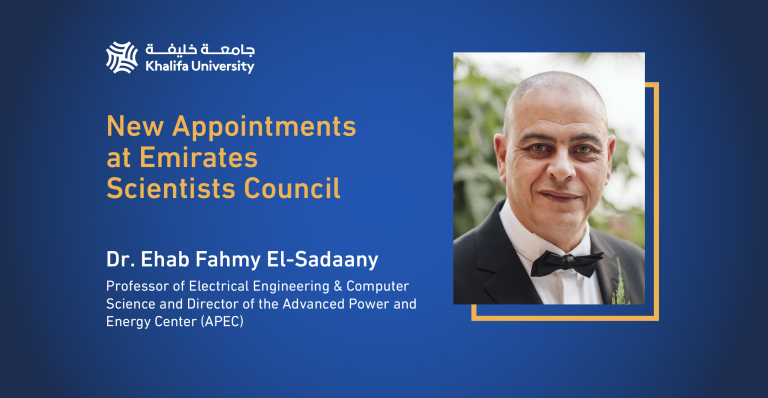
      Prof. ehab el sadaany Professor | Dean Of Engineering And Physical Sciences
      Prof. hatem zein el din Professor | Chair, Electrical Engineering
      Dr. khaled al jaafari Associate Professor | Associate Chair, Graduate Studies
      Dr. mohammed abou khousa Associate Professor | Associate Chair, Graduate Studies | Acting Associate Dean Of Graduate Studies
      Dr. tarek el fouly Associate Professor | Associate Chair, Undergraduate Studies

      Staff

      Researchers

      Research Scientists
      Post-Doctoral Fellows
      Research Associates
      Research Engineers
      Research Assistants
      Researchers

      Graduate Students

      PhD
      Bilal Habib Graduate Student, PhD
      Basma Salah Abdelgawad Mohamed Graduate Student, PhD
      Ziad Ismail Al Jamal Graduate Student, PhD
      Ahmed Amr Zakaria Hamouda Graduate Student, PhD
      Mohannad Refat Nasir Graduate Student, PhD
      Majd Saloumi Graduate Student, PhD
      Ghadeer Mahmoud Sawalha Graduate Student, PhD
      Zainab Riyadh Abuowda Graduate Student, PhD
      Wenxuan Fang Graduate Student, PhD
      Safia Babikir Bashir Mohamed Graduate Student, PhD
      Muhammad Umair Munir Graduate Student, PhD
      Mohannad Khaleel Suleiman Graduate Student, PhD
      Mohammad Rabih Aziz Graduate Student, PhD
      Fatmah Obaid Alsalami Graduate Student, PhD
      Bo Zhu Graduate Student, PhD
      Bakary Coulibaly Graduate Student, PhD
      Asterius Salum Mayaya Graduate Student, PhD
      Angelo Ferreri Graduate Student, PhD
      Amjad Tayel Altakhaineh Graduate Student, PhD
      Abdelrahman Hesham Awwad Graduate Student, PhD
      Muntathir Altalaq Graduate Student, PhD
      Prince Aduama Graduate Student, PhD
      Ruosi Kong PhD Student
      Muhammad Salik Qureshi Graduate Student, PhD
      Saleh Saeed Aldarmaki Graduate Student, PHD
      Yousef Alkayyali PhD Student
      mohammad hushki Graduate Student, PhD
      Omar Samir Graduate Student, PhD
      Zhang Zheng PhD Student
      Mohd. Yassin Hassan Ibrahim Graduate Student, PhD
      Sani Mukhtar PhD Student
      Hamdihun Abdie Dawed Graduate Student, PhD
      Nour Moustafa Shabar Graduate Student, PhD
      Mohamed Montasir Babiker Graduate Student, PhD
      Mohammad Qayyum Ahmad Suhail Graduate Student, PhD
      Wahab Ullah Graduate Student, PhD
      Xiantong Yang Graduate Student, PhD
      Mohamed Hussien Elimam Research Engineer, PH-PhD
      Muhammad Noman Ashraf Graduate Student, PhD
      Mohamed Atef Shahboob Graduate Student, PhD
      Meron Yakob Kibreab Graduate Student, PhD
      Shayan Umar PhD Student
      Babina Babu Maliyekkal Graduate Student, PhD
      Shahbaz Ahmad Khan Graduate Student, PhD
      MSc
      PROGRAMS
      ADVISORY BOARD

      Advisory Board

      Dr. Bruce Stedall Chief Operating Officer, TAQA Transmission
      Dr. Mae AlMansoori Director, Directed Energy Research Centre, TII
      Dr. Aaesha Al Nuaimi Director, DEWA Sustainability and Innovation Center
      Eng. Maryam Sajwani Lead Instrumentation and Control Engineer, ADNOC GAS
      Dr. Iraklis Nikolakakos Senior Project Manager, TII
      Eng. Hasna Seiari Excellence and Innovation Section Manager, Al Ain Distribution Company
      RESEARCH
      News

      Events